

Ground Truth London: a Sysdig AI Defense event, 9 December 2026



A closed-door afternoon for security leaders to compare notes on the AI already at work inside their organisations.
Your AI risk is already inside the walls
AI risk is already inside your organisation. It sits in the tools you deployed and the agents nobody approved. When a software company ran Sysdig AI Defense across more than 300 employee devices for a month, half the agents it identified were previously unknown.
Shadow IT has been here before, but AI agents act fast. Coding agents and the Model Context Protocol (MCP) servers they install run on human credentials. They can reach as far as that person can, often into the cloud and production.
Saying yes to AI was the right call, but what most organisations lack is a clear view of what AI does after the green light. Surveys and spreadsheets go stale the day they're taken. Runtime records what agents do as they do it, and that's the ground truth this afternoon works from.
One afternoon to get a real picture of the AI in use in your organisation
Start with an outside view of where AI risk stands today, then hear how one security team handled AI adoption once it was under way. After that, compare notes with peers at small roundtables and finish in a hands-on lab.
SECURE YOUR PLACE01. Know what AI is running, and who owns it

Find the sanctioned and shadow AI across your organisation, including agents and MCP servers employees add themselves, and tie each one to a person.
02. See what agents actually do

Agents act with a real person's credentials, from the laptop to the cloud. See what they did from a record that doesn't rely on their own logs.
03. Know what it costs

Tie AI spend to the team and person behind it, so you have an answer when finance asks which tools are worth keeping.
04. Leave with a board report card

Mark a one-page report card as the afternoon goes and see how peers compare. A free trial of Sysdig AI Defense lets you fill the gaps with figures from your own fleet.
From the big picture to a hands-on lab
Arrival and networking lunch
A first conversation with the other security leaders in the room.
Keynote:
Where AI risk stands today
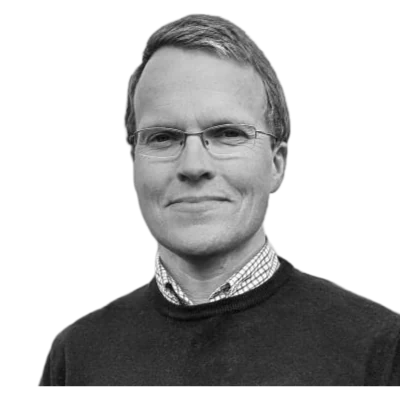
Will chaired the Bank of England’s AI taskforce and led its rollout of AI. He looks at how far AI has already spread inside organisations, who is accountable for it, and how oversight can keep pace without stalling adoption.

In conversation:
What the agents did when no one was watching
Alessandro Lo Prete, Senior Threat Research Engineer, Sysdig
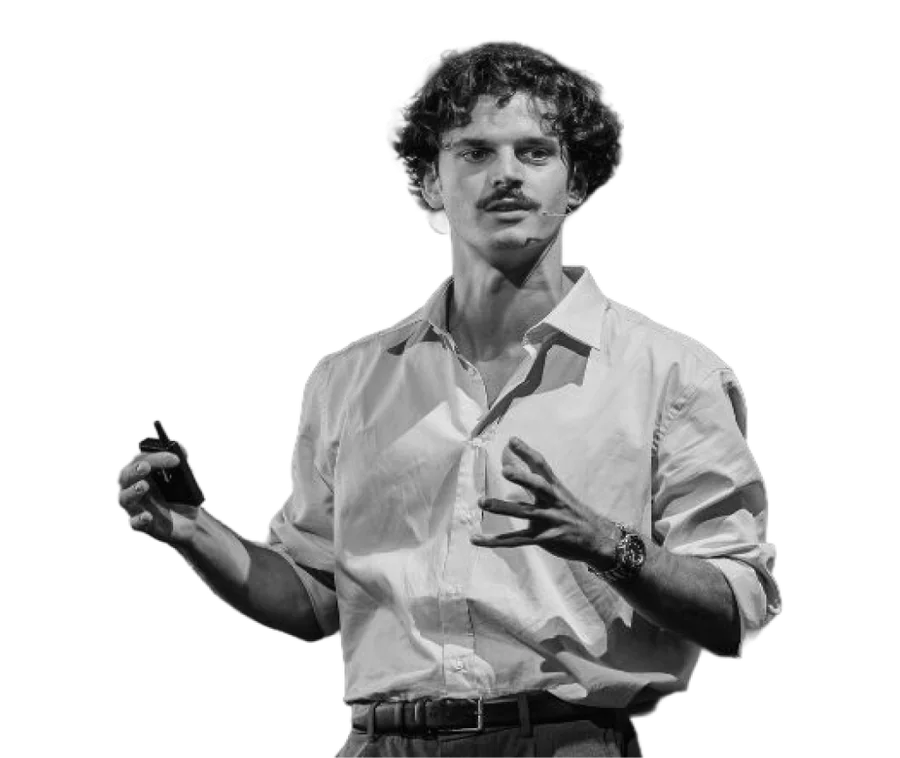
Matt Adams, who leads AI security at Sapiens, and Alessandro Lo Prete, a Sysdig threat researcher, compare what each has seen of AI agents at work. Matt shares what turned up when he looked across his own organisation, and Alessandro draws on Sysdig’s research into AI coding agents running on employee machines. They cover how far those agents reach on their users’ credentials, what happens once they’re installed, and what a security leader needs to see before saying yes.
Roundtables:
Where are you with AI today?
Small tables work through three topics in turn. Each starts with a data point from Sysdig AI Defense before the table compares notes, and you mark the matching section of your report card at the end of each.
- Inventory and governance: In one 300-device fleet, every device had at least one AI agent in active use. How many are running across yours, and how would you check?
- Agent behaviour: In the same fleet, 61% of tool calls ran with no human approval. If an agent started changing a production system now, how quickly could you stop it?
- Spend and utilisation: Duplicative processes and capabilities took 54% of AI spend. If finance asked which AI spend is worth keeping, who would answer?

Break
Hands-on lab:
See it for yourself
Log in to your own Sysdig AI Defense environment, loaded with sample data, and follow a guided walkthrough of the same three topics. You'll see shadow AI sitting beside sanctioned tools, and a kernel-level record of what an agent did that doesn't rely on the agent's own logs. The lab starts at the level you report on, so no security engineering background is needed.

Drinks and networking
Stay on for drinks with the other attendees, the speakers, and the Sysdig team.
Who you'll hear from
Will Lovell
Bank of England
Will spent 25 years at the Bank of England. As Head of Future Technology, he chaired the Bank's AI taskforce, led the rollout of AI across the organisation, and built its AI strategy and policy. He now speaks and writes on AI, leadership, and technology.
Matt Adams
Sapiens
Matt is VP and Head of AI Security at Sapiens. He joined from Citi, where he was Head of Generative AI and Emerging Technology Security. He is also the creator of STRIDE GPT, an AI-powered threat modelling tool now used by security teams worldwide.
Alessandro Lo Prete
Sysdig
Alessandro is a Senior Threat Research Engineer at Sysdig. His research covers cloud and container security, with a focus on supply chain attacks and cloud platform exploitation. He co-authored Sysdig’s 2026 research on AI coding agents running on employee machines.
To be announced

Harry Perks
Sysdig
Harry leads product for Sysdig AI Defense. He has worked at Sysdig for years on its security and monitoring products, including threat detection and investigation features for Sysdig Secure.
Blair Howard
Sysdig
Blair leads product marketing for Sysdig AI Defense. He writes on Sysdig’s runtime security work, from cloud-native forensics and malware detection to headless cloud security that runs Sysdig inside AI coding agents.

Read the dial. Don't ask the machine.

The Harmsworth Room keeps its original 1940s generator wall, dials and switches included. A wall like that lets you read the machine directly and act the moment something looks wrong. The kernel gives you the same view of an AI agent, which makes this a fitting room for the afternoon.
Request your place
Places are limited and by invitation, with small roundtables so every voice gets heard. Share your details and we'll confirm your place.